Hackathon Winner
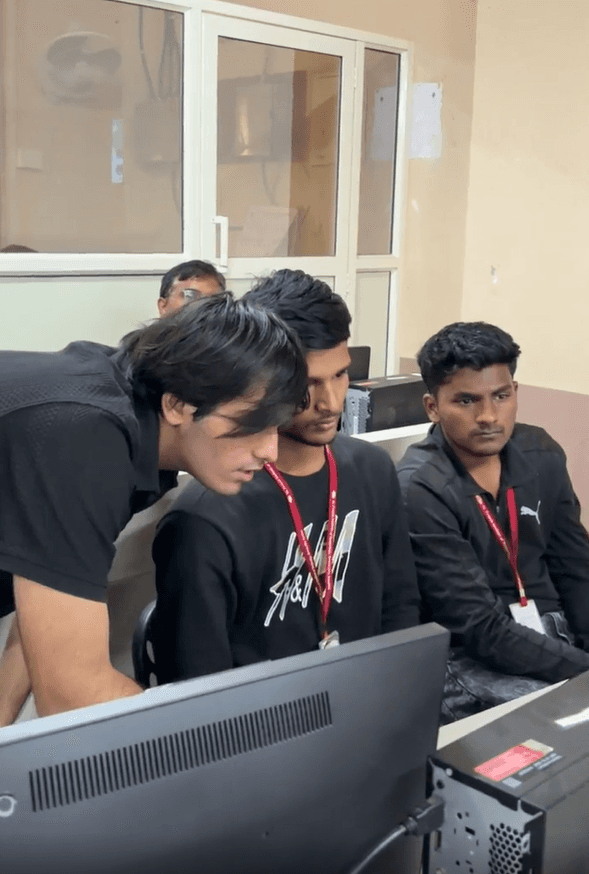
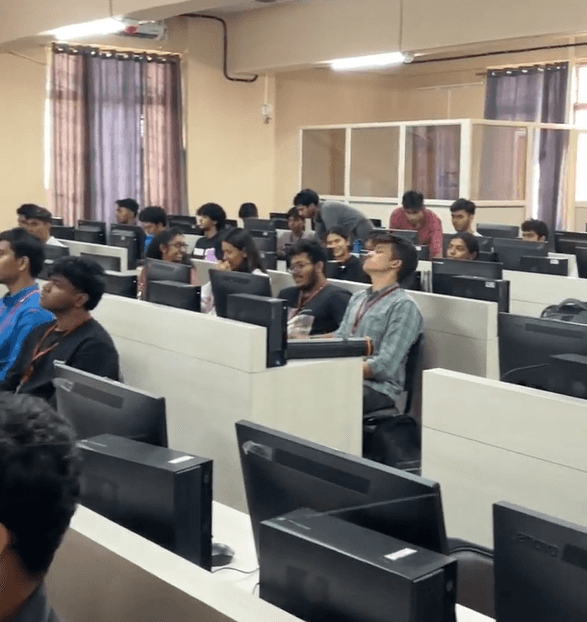
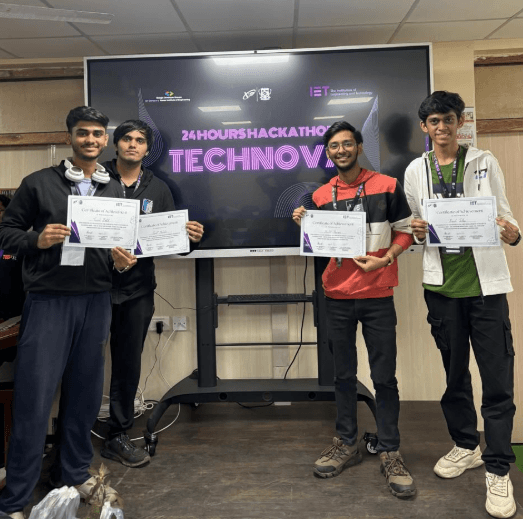
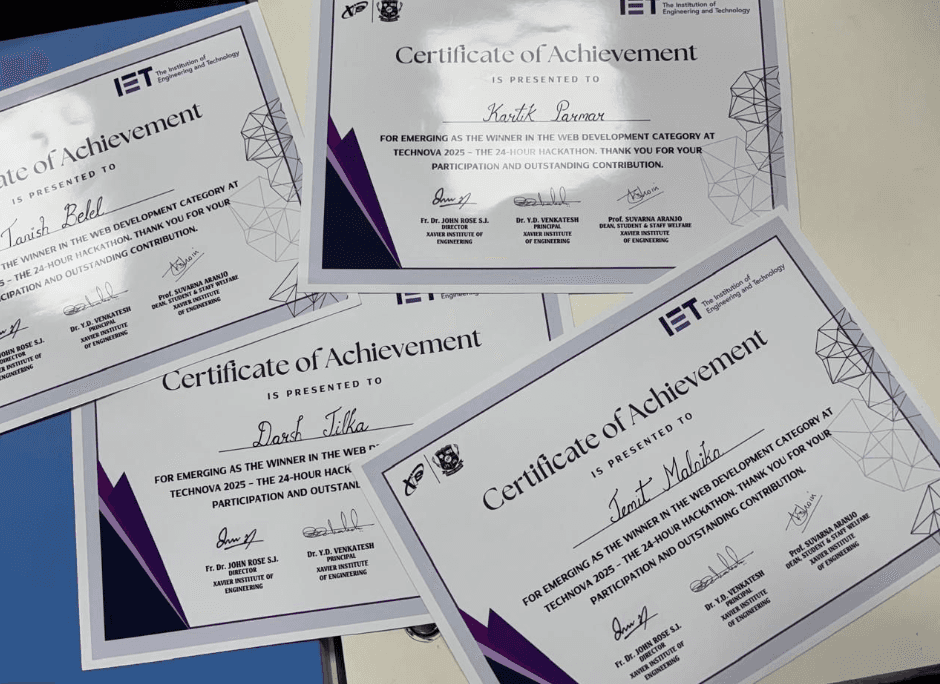
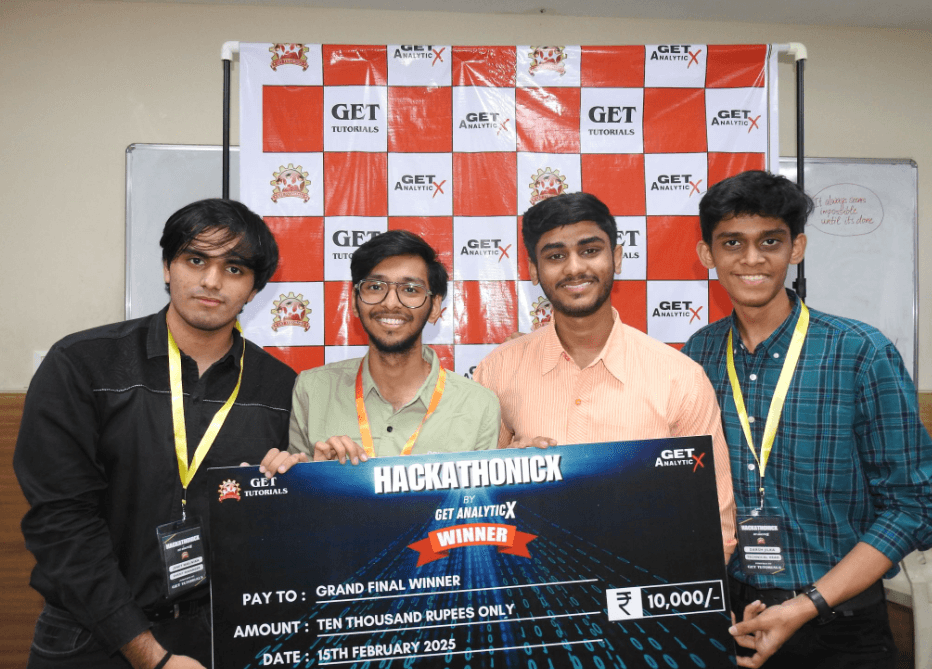
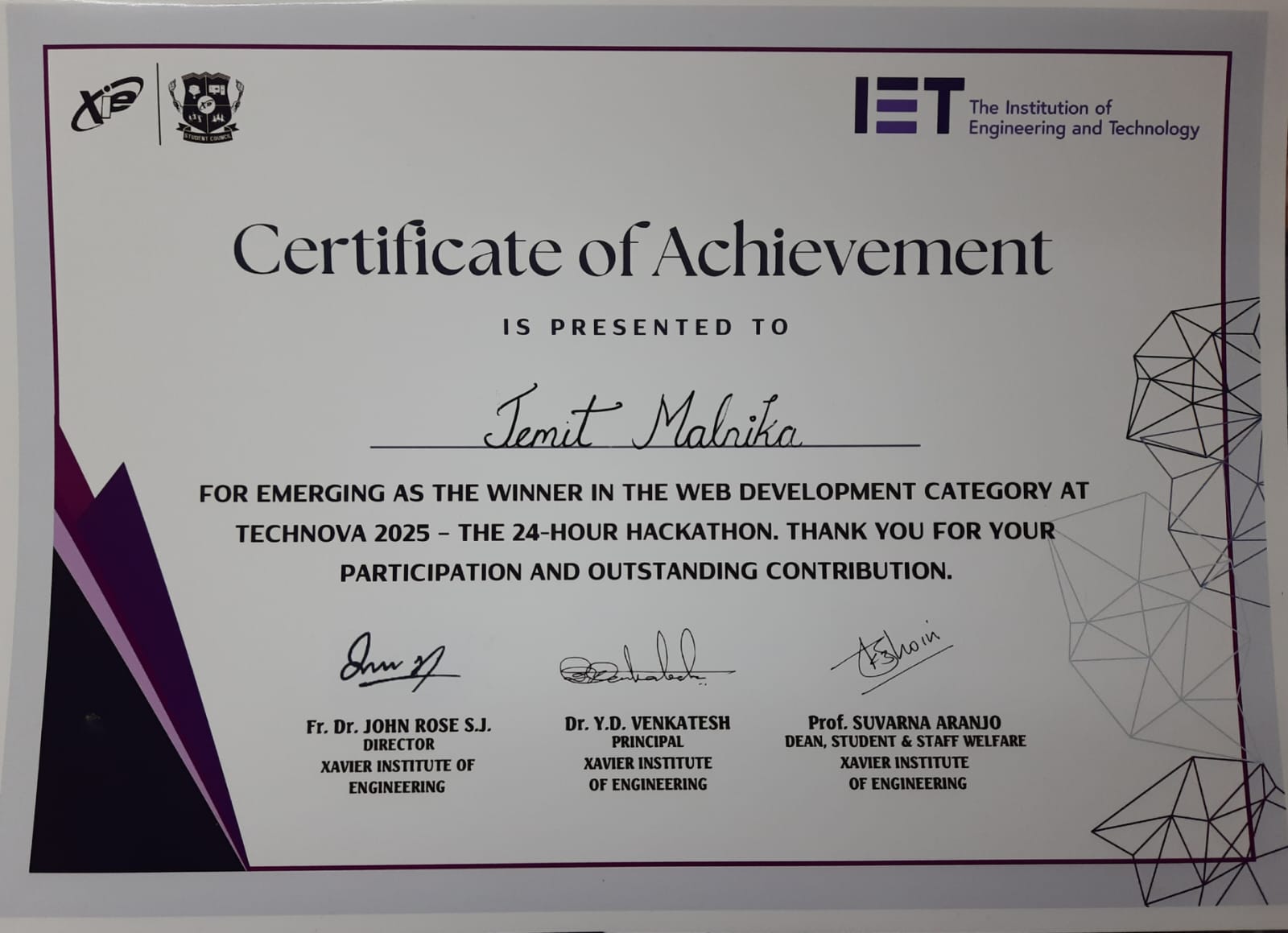
Secured 1st place in a 24-hour hackathon by building a complete web-based solution under tight time constraints. The project focused on functionality, problem-solving, and real-world usability, while working collaboratively in a team environment.
Category:
Achievement
Author:
Jemit Malnika
Read:
2 mins
Location:
Mumbai, India
Date:
Jan 26, 2025
Building a Real-World Web Solution Under Hackathon Pressure
This hackathon challenged me to think fast, collaborate effectively, and deliver a functional web solution within a limited timeframe. The focus was not only on completing the project, but on solving a real-world problem with clarity and practicality. I worked on structuring the application logic, ensuring usability, and maintaining clean implementation despite time constraints. The experience strengthened my problem-solving skills, decision-making under pressure, and ability to translate ideas into working systems. Winning the hackathon reinforced the importance of teamwork, structured thinking, and building solutions that are simple, functional, and ready for real-world use.
Designing and Building Under Real-World Constraints
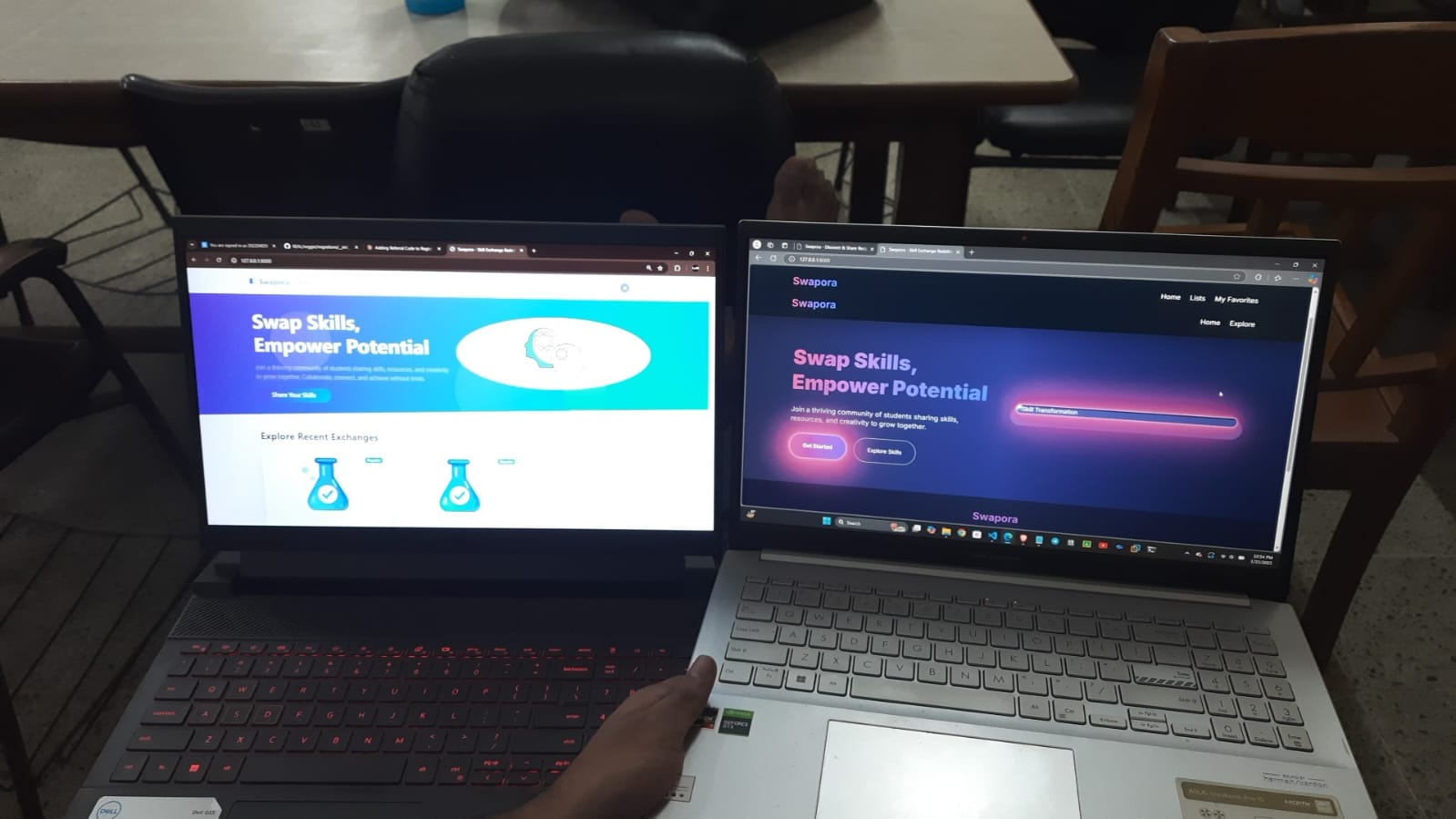
During the hackathon, the focus was on building something that worked reliably under strict time constraints. Every decision had to balance functionality, clarity, and feasibility while collaborating closely with the team. I concentrated on implementing clean logic, maintaining a simple structure, and ensuring the solution remained usable and understandable despite limited time. This experience highlighted the importance of prioritization, clear communication, and making practical technical choices under pressure. Working in such an environment helped me understand how real-world systems are built — not perfectly, but thoughtfully — with attention to problem-solving, adaptability, and delivering a solution that actually works.
Balancing Structure and Practical Implementation
While building the solution, the focus was on maintaining a clear structure while allowing enough flexibility to adapt as requirements evolved. Instead of over-engineering, decisions were made to keep the system simple, understandable, and functional within the given constraints. This approach helped ensure that features were implemented logically, code remained manageable, and the overall system stayed reliable. It reinforced the importance of building solutions that are not only creative, but also maintainable and suited for real-world use. The experience highlighted how thoughtful structure, combined with practical decision-making, leads to systems that work effectively even under pressure.